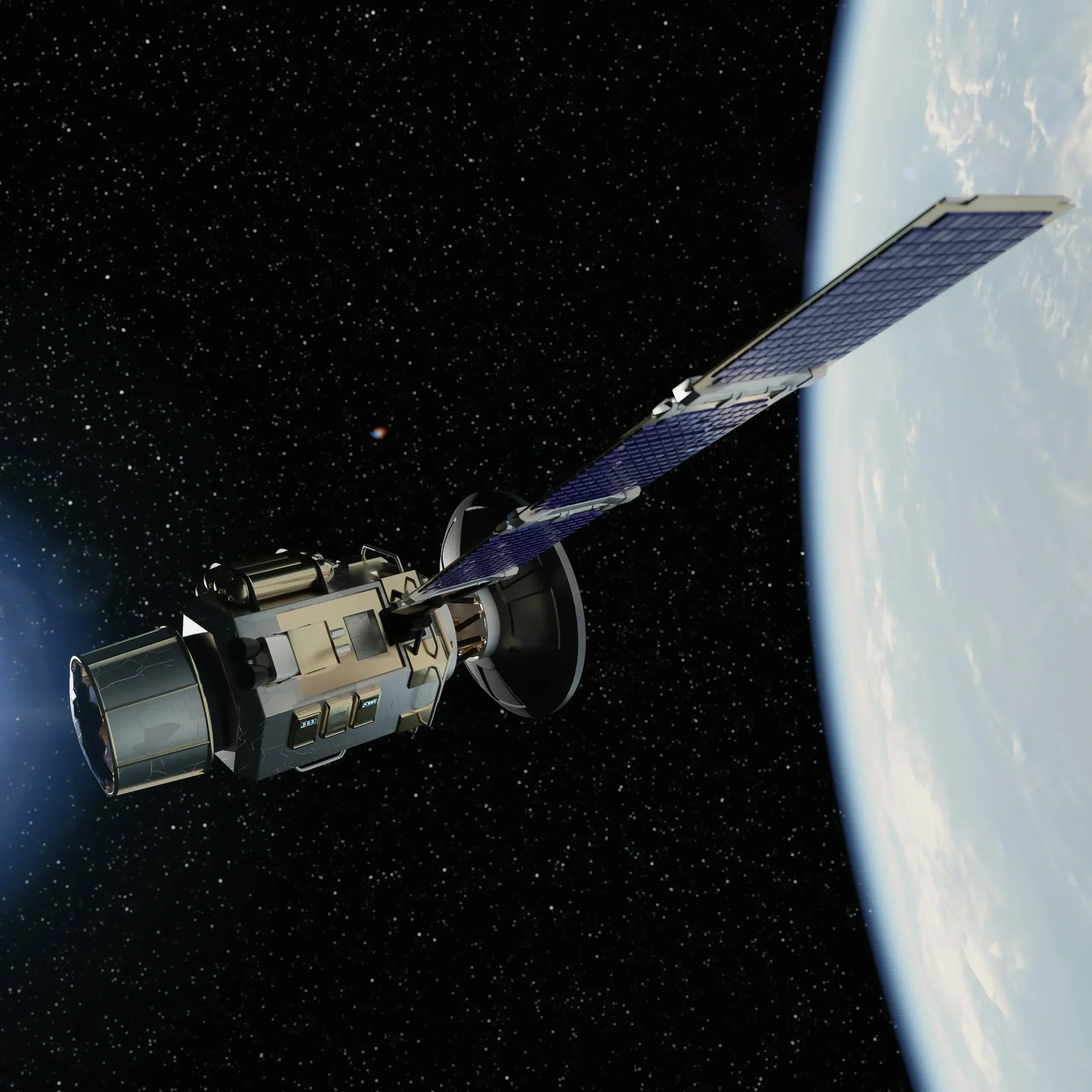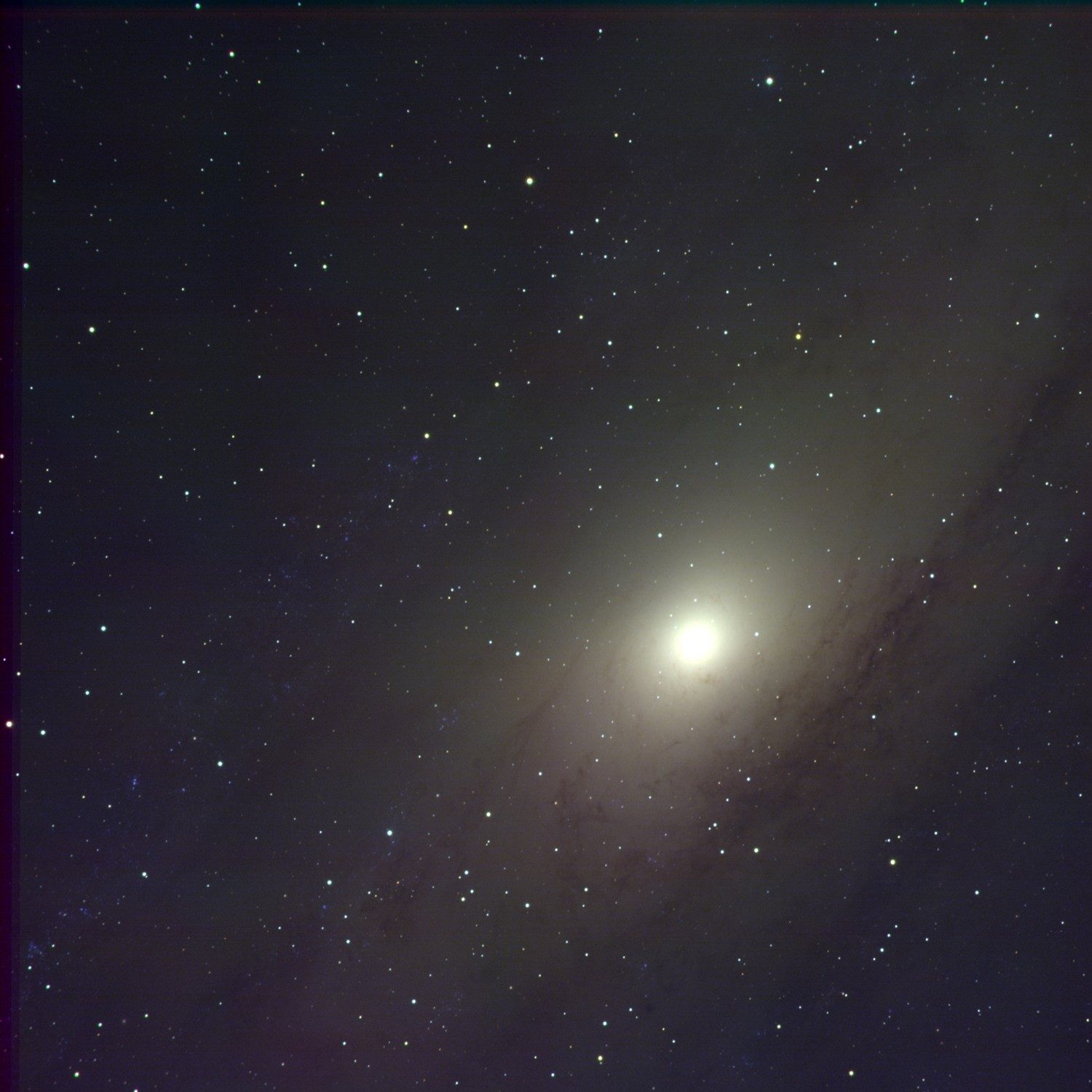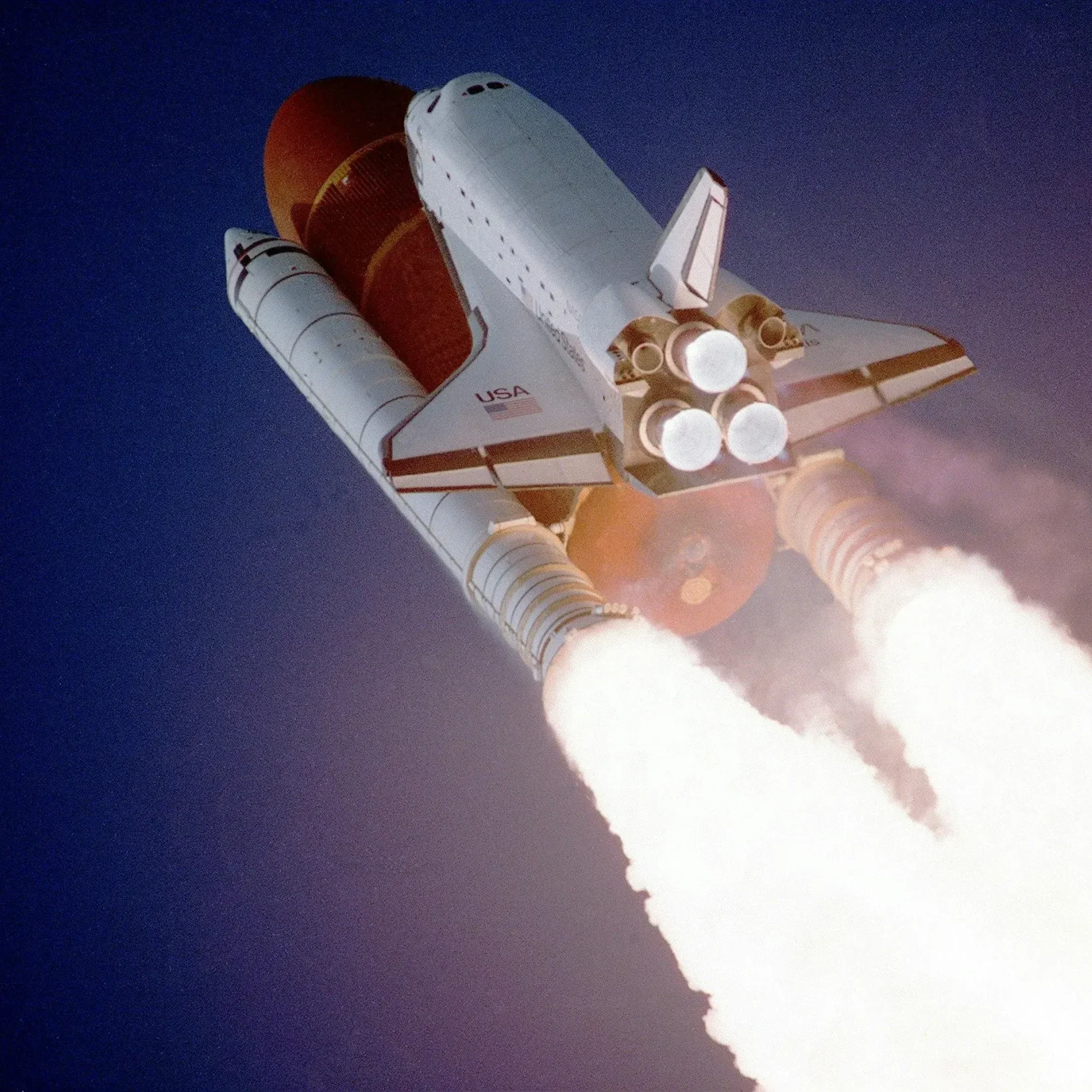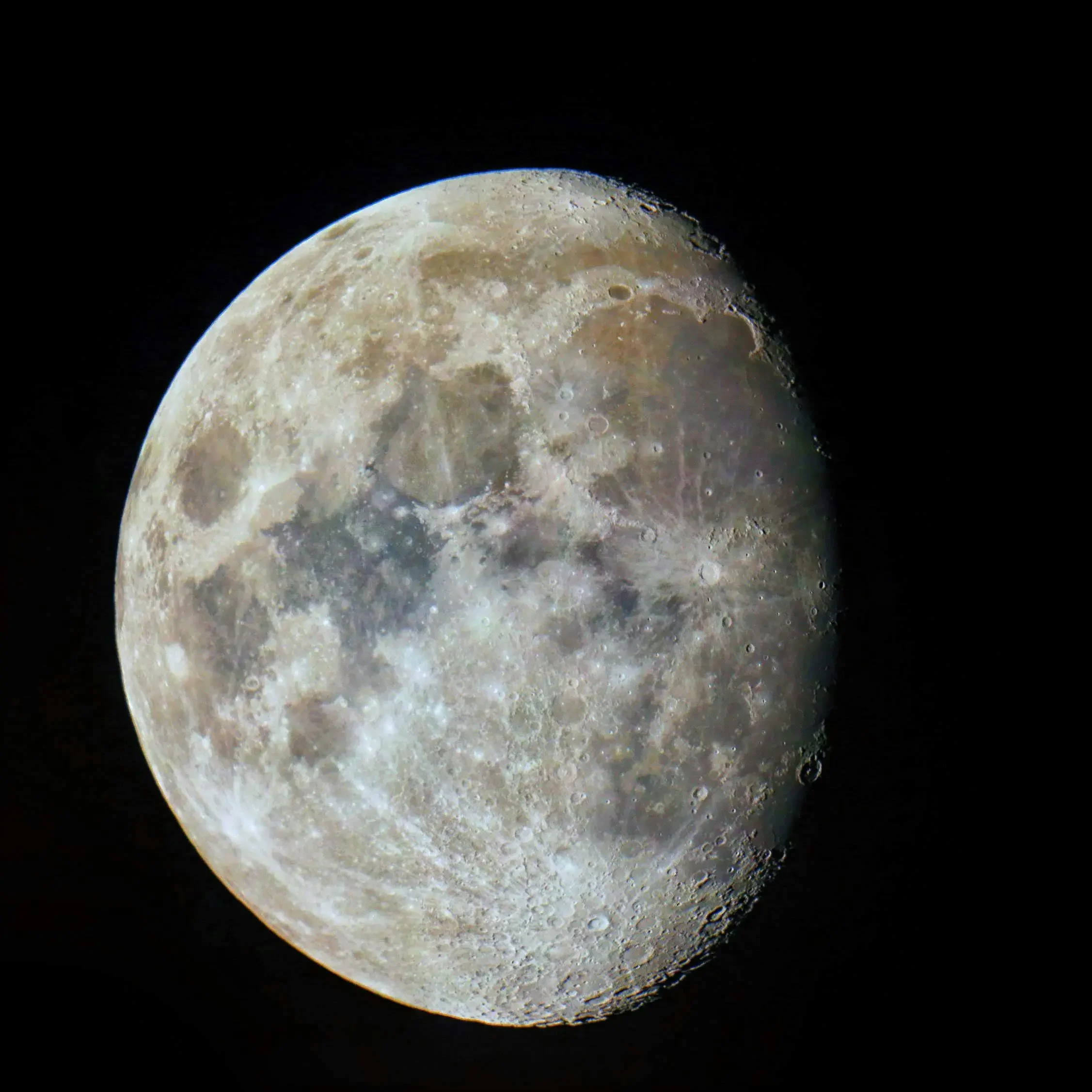
KAYA Vision is a leading manufacturer of advanced imaging solutions specializing in high-performance imaging technologies that include robust space camera designs, rugged aerospace cameras, and advanced sensor interfaces such as satellite cameras connectivity and space camera fiber optic interface options. Through innovation in sensor technology, interface flexibility, and environmental ruggedness, KAYA Vision enables critical imaging and machine vision applications from the ground to orbit.
In aerospace and defense missions, reliable imagery is essential, whether for tracking satellites, monitoring spacecraft systems, or supporting autonomous remote operations. KAYA Vision cameras are built to handle extreme shock, vibration, thermal cycling, and extended operational lifetimes, making them ideal for integration into advanced space vision system architectures where reliability and performance are crucial.
Aerospace Cameras for Harsh Aerospace Environments
Aerospace cameras must be capable of surviving launch forces, vacuum exposure, and extreme temperature fluctuations. These systems must operate with absolute reliability while maintaining image fidelity under radiation exposure, limited power, and mechanical stress.
KAYA Vision’s aerospace cameras incorporate components meeting stringent industrial standards and MIL-STD-810 requirements, are equipped with rugged housings, and validated performance under vibration, shock, and temperature extremes. Such cameras are often integrated as satellite cameras or within robotic systems, assist with spacecraft navigation, and monitor data from launch, forming the backbone of a complete space vision system.
Space Vision System Integration with KAYA Vision Technology
Space vision systems are typically composed of multiple imaging components working together, including sensors, optics, processing units, and communication interfaces. As such, aerospace cameras must move large amounts of data efficiently, requiring a space camera fiber optic interface that supports long-distance, high-bandwidth transmission while remaining immune to interference. KAYA Vision cameras are CoaXPress and PCIe compatable, allowing for seemless integration into existing space vision systems.
When integrated into a space vision system, these cameras support a wide range of mission objectives, including Earth observation as satellite cameras, spacecraft inspection, docking assistance, environmental monitoring, and scientific research. Their compact size and low power consumption make them particularly attractive for small satellites, cubesats, and weight-constrained aerospace platforms.
KAYA Vision’s expertise in high-speed data interfaces, combined with compatibility for fiber-based data transmission, allows system designers to bridge terrestrial camera standards into flight-ready architectures using space camera fiber optic interface technologies.
KAYA Vision Aerospace Cameras for Space Vision Systems
IRON5514BSI: High-Speed Satellite Camera
The IRON5514BSI is a high-speed, global shutter CMOS imaging solution designed for demanding environments. Featuring a 14.2-megapixel back-side illuminated sensor, it delivers exceptional sensitivity and frame rates of up to 275 frames per second, making it well suited for dynamic imaging scenarios in aerospace applications. This camera supports high-bandwidth CoaXPress connectivity and is used in aerospace systems that demand both speed and precision. Its compact mechanical design and low power requirements allow it to be integrated into robotics or small satellites. The IRON5514BSI’s global shutter performance limits motion artifacts, which is essential when capturing fast-moving objects or platform motion in satellite cameras and other space-based imaging roles.
Mercury SWIFT: Space Vision System for Thermal Imaging
The Mercury SWIFT brings short-wave infrared (SWIR) imaging capabilities into rugged, high-speed vision platforms. Operating at frame rates up to 1600 fps, this camera enables rapid detection and detailed analysis in applications such as thermal monitoring, plume detection, and material differentiation. The Mercury SWIFT maintains a compact footprint and efficient power profile, making it suitable for integration into space vision systems. The Mercury SWIFT uses a CoaXPress interface that can be adapted to a space camera fiber optic interface, allowing reliable, high-speed data transfer in complex spacecraft environments.
Zinc 661 PCIe: Ultra-High-Resolution Satellite Camera
The Zinc 661 PCIe delivers high image resolution, offering 127.7 megapixels with global shutter performance. This is an ideal candidate for detailed imaging tasks such as Earth observation, orbital inspection, and high-precision mapping. As an aerospace camera, the Zinc 661 PCIe combines industrial-level ruggedness in extreme temperature and vibration with a high-throughput PCI Express Gen3 interface with 8 PCIe express links. In aerospace systems, PCIe connections are compatible with space camera systems architectures for reliable data flow. The high resolution of the Zinc 661 PCIe makes it an ideal satellite camera, supporting applications that demand fine spatial detail, such as surface analysis, infrastructure monitoring, or scientific imaging missions requiring extremely high pixel density.
Iron 927: Large-Format Space Imaging
The Iron 927 camera features a large-format 104.9-megapixel sensor designed for high-resolution imaging in rugged environments. With its CoaXPress interface and robust mechanical construction, it is well suited for aerospace camera systems that require both image quality and environmental resilience. Incorporated into a space vision system, the Iron 927 supports applications such as wide-area observation, and detailed visual inspection. Its high dynamic range and low-noise characteristics allow it to perform effectively across varying illumination conditions encountered in orbital or high-altitude environments. The camera’s interface flexibility enables integration into satellite cameras architectures where large volumes of image data must be transferred reliably to onboard processing units.
Integrating KAYA Vision Cameras for Space Vision Systems
High-resolution imaging in space generates enormous data volumes, making efficient data transport essential. Space camera fiber optic interfaces allow imaging systems to transmit data over long distances without signal degradation, while remaining resistant interference. KAYA Vision aerospace cameras natively support high-speed electrical interfaces such as CoaXPress and PCIe, enabling system designers to leverage proven commercial imaging technologies while meeting the stringent requirements of aerospace and orbital platforms.
Through careful integration, KAYA Vision aerospace cameras become key components within scalable space vision system architectures that support real-time processing, autonomous decision-making, and high-reliability mission execution.