


• Clarity Beyond Earth’s Limits

    Space Grade Cameras

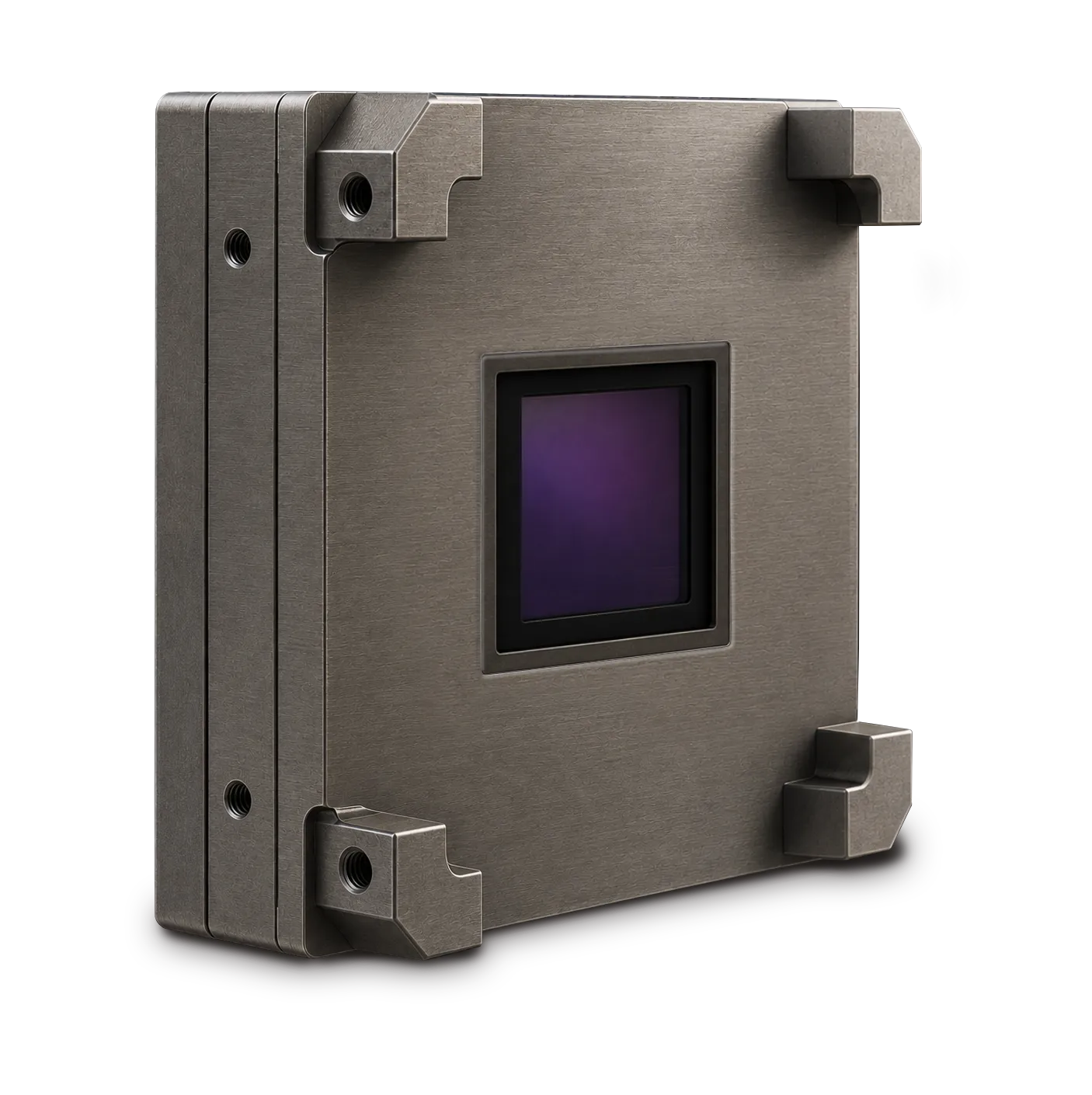
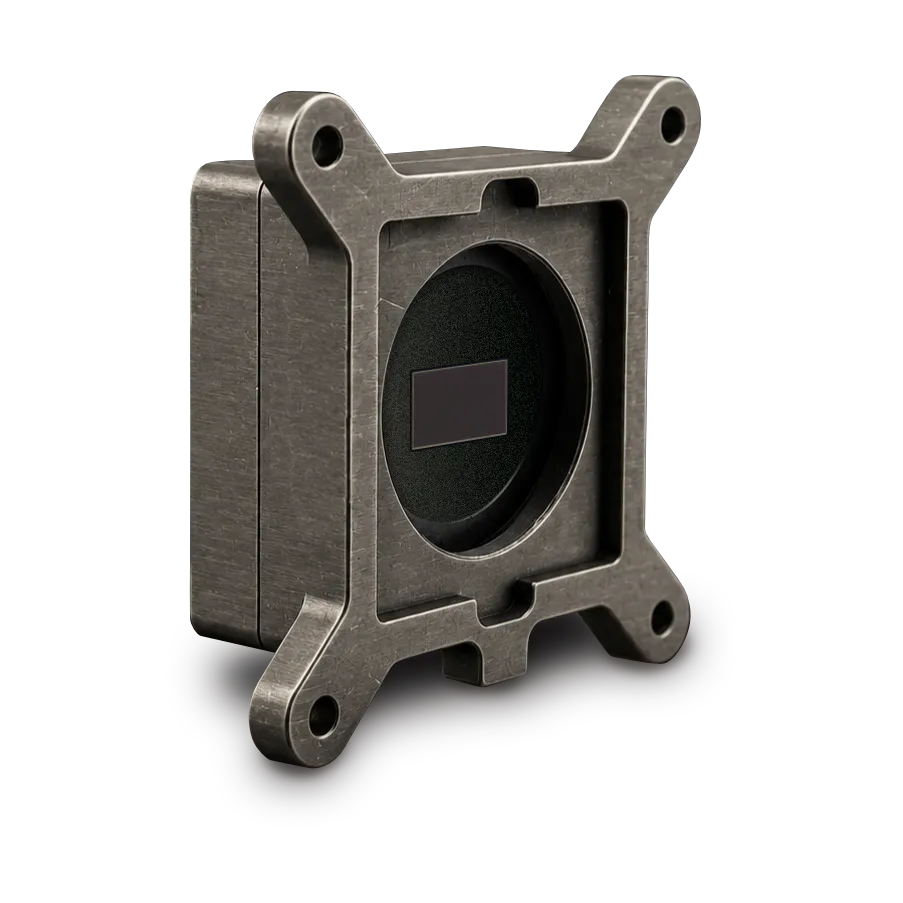
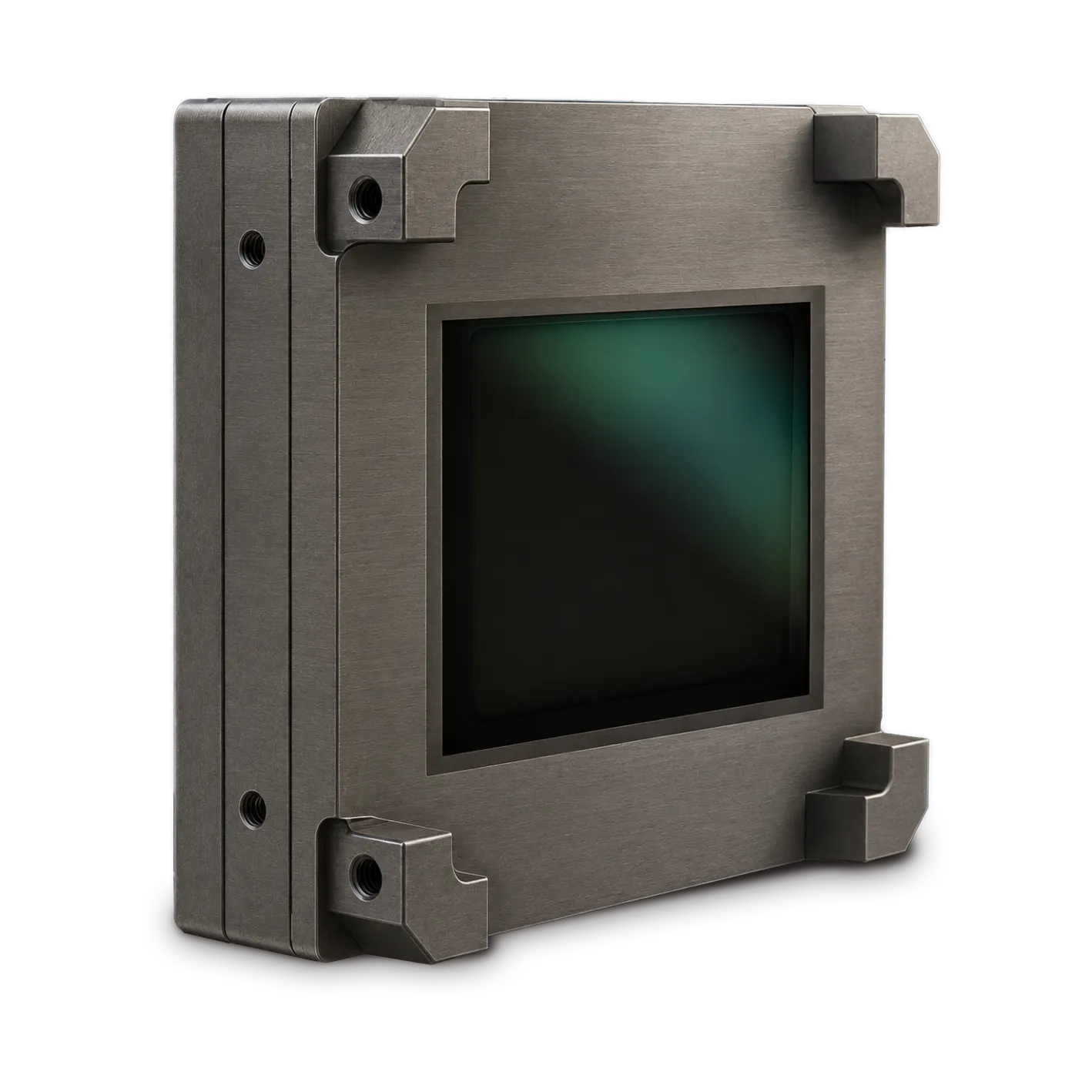
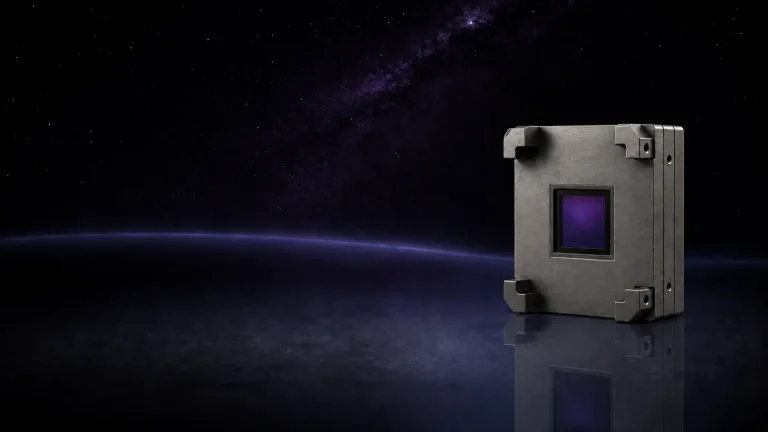
    KAYA Vision manufactures ruggedized space grade cameras for orbital inspection, aerospace research, and Earth observation missions. Our imaging systems support ultra high resolution, options to work with any space compute, and radiation-tolerant to radiation hardened designs - with high sensitivity, low noise and high MTBF. Our low power, small form factor makes our cameras ideal for LEO or GEO satellites, space launch systems, and deep space exploration.

Radiation Hardened Cameras

KAYA Vision’s rad-hard and New Space grade cameras are engineered for reliability in demanding aerospace environments. Tested to MIL-STD-810G for resistance to shock and vibration, our cameras are designed to endure the extreme vibration and mechanical stress required for launch vehicles and equipment monitoring. Our camera models endure a wide temperature range of -40.0 °C to +75 °C (-40 °F to +167 °F) and high MTBF perfect for the thermal cycling of LEO orbit or the brutal temperatures of GEO to maintain long-term stability.KAYA cameras provide reliable imaging in the harshest environments from launch vehicles to orbit. The low power and small form factor ensure space and weight are saved in CubeSats, satellites for low earth orbit (LEO), and cramped spacecraft. KAYA Vision cameras are which are prepared for New Space or Fully Radiation Hardened and able to withstand the large electromagnetic disturbances of space. 
satellite floating in space

Infrared Camera for Satellite Payloads

In aerospace applications, short wave infrared imaging (SWIR) can enable sensitive thermal monitoring in harsh low light conditions. SWIR cameras KAYA Vision’s Mercury SWIR cameras offer unmatched sensitivity coupled with KAYA’s ruggedized compact design, making them ideal for monitoring thermal plumes and temperature at launch, small satellite payloads, and aerospace equipment monitoring.

Deep Space Imaging Cameras

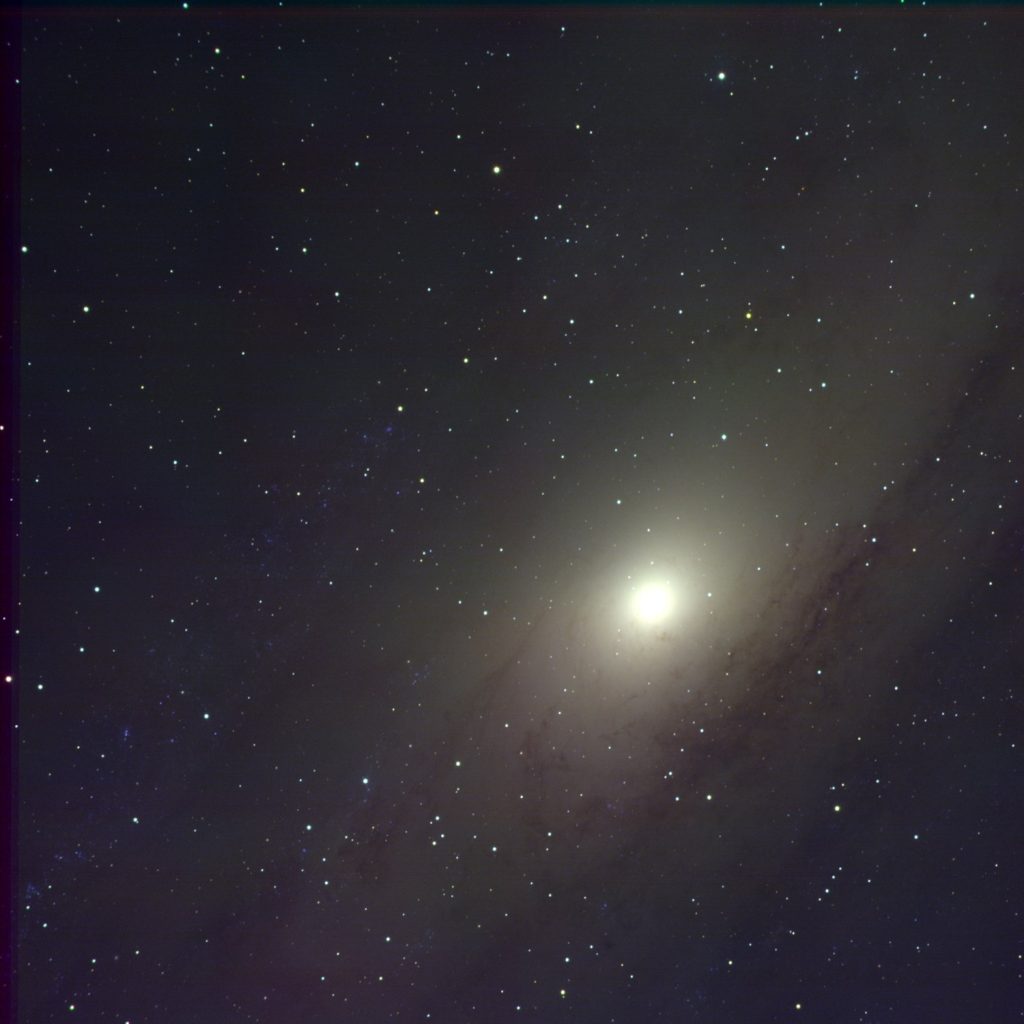
KAYA Vision cameras deliver exceptional sensitivity and resolution, making them well suited for orbital satellite and deep space observation. The fine spatial detail paired with high quantum and low temporal noise enable accurate imaging in low-light conditions commonly encountered in orbital observation and deep space research. Rad-hard cameras limit noise and distortion in sensitive missions.

Teledyne adnromeda

KAYA Vision Space Grade Cameras

Engineered for the demands of Low Earth Orbit and beyond, our cameras deliver up to 250MP of snapshot matrix imaging at frame rates applicable for any mission. KAYA Cameras can be prepared for any mission with customizations which include lead flowed Solder, underfill for BGA components, components screened for radiation tolerance by orbit with no outgassing components or pastes. KAYA also designs and develops interfaces to work with any Telescope or Focus Mechanism with electronics to support the focus mechanism. Whether operating in the visible spectrum or pushing into Short-Wave Infrared for smoke, haze, and low-light penetration, our cameras deliver exceptional signal-to-noise ratios and high dynamic range imagery across a broad range of conditions — all while drawing under 4W on power-constrained platforms. With data interfaces designed to support sensors full speeds, customized enclosures for optimal thermal pathways, and operating temperature ranges from –40°C to +70°C, KAYA’s imaging cameras are built to integrate seamlessly into satellite payloads, UAVs, and airborne survey systems — delivering the resolution, reliability, and throughput that mission-critical Earth observation demands. KAYA provides selectable features for each project which were developed for space. Standard features include precise timing, onboard pre-processing, built in tests, voltage monitoring, watchdog firmware, and much more. Features that can be added upon request include image stacking, onboard storage, q-factor and others. All these features are optimized for the FPGA selected to provide the lowest power consumption and best image quality,

  • All
    •   Back
    • Mercury IR Cameras
    • CoaXPress Over Fiber
    • JetCam - High Speed
    • CoaXPress Cameras
    • SDI Broadcast Cameras
    • Zinc PCIe Cameras
    • Astro Space Qualified Cameras
Astro Swift

KAYA Vision’s Astro Swift InGaAs camera sets a new standard in imaging with 640 (H) x 512 (V) resolution, 10 μm x 10 μm pixel size, >86 dB dynamic range.

Astro 5514

KAYA Vision’s Astro 5514 GSPRINT5514BSI camera sets a new standard in imaging with 4608 (H) x 3072 (V) resolution, 5.5 μm x 5.5 μm pixel size, >77.5 dB dynamic range.

Astro 991

KAYA Vision’s Astro 991 IMX991 camera sets a new standard in imaging with 640 (H) x 512 (V) resolution, 5.00 μm x 5.00 μm pixel size, >57 dB dynamic range.

Astro 990

KAYA Vision’s Astro 990 IMX990 camera sets a new standard in imaging with 1280 (H) x 1024 (V) resolution, 5.00 μm x 5.00 μm pixel size, >57 dB dynamic range.

Astro 993

KAYA Vision’s Astro 993 IMX993 camera sets a new standard in imaging with 2048 (H) x 1536 (V) resolution, 3.45 μm x 3.45 μm pixel size, >50 dB dynamic range.

Astro 992

KAYA Vision’s Astro 992 IMX992 camera sets a new standard in imaging with 2560 (H) x 2048 (V) resolution, 3.45 μm x 3.45 μm pixel size, >50 dB dynamic range.

Astro 487

KAYA Vision’s Astro 487 IMX487 camera sets a new standard in imaging with 2848 (H) x 2848 (V) resolution, 2.74 μm x 2.74 μm pixel size, >69.85 dB dynamic range.

Astro 3265

KAYA Vision’s Astro 3265 GMAX3265 camera sets a new standard in imaging with 9344 (H) x 7000 (V) resolution, 3.20 μm x 3.20 μm pixel size, >65.0 dB dynamic range.

Astro 411

KAYA Vision’s Astro 411 IMX411 camera sets a new standard in imaging with 14192 (H) x 10640 (V) resolution, 3.76 μm x 3.76 μm pixel size, >81.8 dB dynamic range.

Astro 661

KAYA Vision’s Astro 661 IMX661 camera sets a new standard in imaging with 13392 (H) x 9528 (V) resolution, 3.45 μm x 3.45 μm pixel size, >70.8 dB dynamic range.

Astro 811

KAYA Vision’s Astro 811 IMX811 camera sets a new standard in imaging with 19200 (H) x 12800 (V) resolution, 2.81 μm x 2.81 μm pixel size, >77.6 dB dynamic range.